
This article is for general educational purposes only and is not medical advice. Fungal skin infections can resemble other skin conditions, so proper diagnosis by a dermatologist is important before starting any treatment.
What Counts as a “Fungal Infection” of the Skin
Fungal skin infections are caused by microscopic organisms — mainly dermatophytes, yeasts (like Malassezia and Candida), and less commonly moulds — that can colonise skin, hair, and nails. The most common types seen in a tropical climate like Bangladesh’s include tinea infections (ringworm of the body, groin, or feet), pityriasis versicolor (a yeast infection causing patchy skin discolouration), and candidal infections in warm, moist skin folds.
These are separate, distinct conditions from bacterial or viral skin infections, and while some general hygiene principles overlap, the actual treatment (antifungal vs antibacterial vs antiviral medication) is different — which is why accurate diagnosis matters more than guessing based on appearance alone.
Common Causes and Risk Factors
- Heat and humidity: Bangladesh’s climate provides near-ideal conditions for fungal growth for much of the year.
- Prolonged moisture on skin: Sweat trapped under tight clothing, damp footwear, or skin folds that don’t dry properly.
- Shared surfaces: Gym floors, communal showers, and shared towels or footwear can transmit fungal spores between people.
- Weakened immune response: Diabetes, certain medications (like long-term steroid use), and other conditions that affect immunity can increase susceptibility.
- Skin barrier disruption: Minor cuts, excessive friction, or pre-existing skin conditions like eczema can make it easier for fungi to establish an infection.
Recognising the Symptoms
| Condition | Typical appearance | Common locations |
|---|---|---|
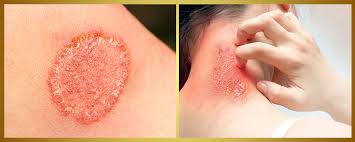
| Tinea (ringworm) | Ring-shaped, red, scaly patch with a clearer centre; often itchy | Body, groin (tinea cruris), feet (tinea pedis/athlete’s foot) |
| Pityriasis versicolor | Patchy areas lighter or darker than surrounding skin, sometimes with fine scaling | Chest, back, upper arms |
| Candidal intertrigo | Red, moist, sometimes raw-looking rash, often with small satellite spots at the edges | Skin folds — underarms, groin, under the breasts |
It’s worth noting that several other skin conditions (eczema, psoriasis, contact dermatitis) can look superficially similar to fungal infections, which is exactly why self-diagnosis from images or descriptions alone is unreliable — a clinical examination, and sometimes a simple skin scraping test, is the most reliable way to confirm a fungal cause.
Fungal Nail Infections: A Special Case Worth Understanding Separately
Nail fungal infections (onychomycosis) behave quite differently from skin infections and deserve separate mention. They typically present as thickened, discoloured (yellow, white, or brown), or brittle nails, and because the nail plate is dense keratin, topical treatments often struggle to penetrate deeply enough to be fully effective on their own. This is one of the more common reasons a physician may recommend oral antifungal medication even for what initially seems like a “minor” infection — the treatment course for nails is also typically much longer than for skin, often several months, because nails grow slowly and the medication needs time to reach the infected portion as it grows out.
Scalp Fungal Infections in Children
Tinea capitis, a fungal infection of the scalp, is particularly common in children and has some distinct features worth knowing. It can cause patchy hair loss, scaling, and sometimes a boggy, inflamed swelling called a kerion if the infection is more aggressive. Because this condition affects hair follicles, topical treatment alone is often insufficient, and oral antifungal medication is frequently required — this is a case where prompt evaluation by a doctor is particularly important, since delayed treatment can occasionally lead to permanent patchy hair loss in the affected area.
How Fungal Infections Are Typically Diagnosed
Dermatologists often diagnose common fungal infections through visual examination alone, given the fairly characteristic appearance of conditions like ringworm. In less clear-cut cases, a simple test called a KOH (potassium hydroxide) preparation can be done, where a small skin scraping is examined under a microscope for fungal elements. For persistent or unusual cases, a fungal culture may be sent to a lab to identify the specific organism, which can help guide treatment choice, especially if initial treatment isn’t working.
General Treatment Approaches
Treatment typically depends on the type, location, and extent of the infection:
- Topical antifungal creams or soaps: Often sufficient for limited, uncomplicated skin infections, typically used consistently for the duration recommended by a physician even after visible symptoms improve, since stopping early is a common cause of recurrence.
- Oral antifungal medication: May be needed for widespread infections, nail involvement, or cases that don’t respond to topical treatment — these require a physician’s prescription and monitoring, as oral antifungals can interact with other medications and, in some cases, affect liver function.
- Supportive skin care: Keeping the area dry, wearing breathable clothing, and avoiding known triggers (like damp footwear) alongside medical treatment.
Stopping treatment as soon as symptoms visibly improve — before completing the full recommended course — is one of the most common reasons fungal infections recur or become harder to treat over time.
Best Skincare Practices Alongside Treatment
- Keep the affected area clean and thoroughly dry, especially after bathing or sweating.
- Avoid tight, non-breathable clothing over the affected area while treatment is ongoing.
- Use a separate towel for the infected area if possible, and wash it in hot water frequently.
- Avoid scratching, which can spread the infection to other body areas or introduce secondary bacterial infection.
- Continue any prescribed antifungal treatment for the full duration recommended, not just until symptoms disappear.
Preventing Recurrence
Because fungal spores can persist in the environment (on clothing, bedding, footwear) even after the visible infection clears, prevention habits matter just as much after treatment as before. Washing and thoroughly drying clothing worn during an active infection, avoiding sharing personal items, and continuing good moisture-control habits in humid weather all reduce the chance of the infection returning.
Common Misconceptions
- “Any itchy rash is a fungal infection” — not necessarily true. Many other skin conditions cause itching, and treating the wrong condition with antifungal medication won’t help and may delay proper treatment.
- “Stopping treatment once itching stops is fine” — risky assumption. Visible symptoms often improve before the fungal organism is fully cleared, and stopping early is a leading cause of recurrence.
- “Fungal infections always mean poor hygiene” — oversimplified. Climate, clothing, occupation, and underlying health conditions play a much larger role in many cases than personal cleanliness.
When Over-the-Counter Treatment Isn’t Enough
Many mild fungal skin infections respond well to over-the-counter antifungal creams available at local pharmacies. However, a few signals suggest that self-treatment should be paused in favour of a proper medical evaluation: the infection covering a large area of the body, involvement of the scalp or nails (as noted above), no improvement after roughly two weeks of consistent use, or the infection recurring shortly after each course of treatment. In these situations, a physician can determine whether a different antifungal agent, an oral medication, or investigation into an underlying contributing condition (such as undiagnosed diabetes) is needed.
Frequently Asked Questions
How long does treatment usually take to work?
Mild, limited infections often show improvement within 1-2 weeks of consistent topical treatment, but the full recommended treatment duration (often 2-4 weeks or longer) should be completed even if symptoms clear earlier.
Can fungal infections be completely prevented?
Not entirely, especially in a humid climate, but consistent hygiene, breathable clothing, and avoiding shared damp surfaces meaningfully reduce risk.
Is it contagious to family members?
Some fungal infections, particularly ringworm, can spread through direct skin contact or shared items like towels and combs. Taking basic precautions during an active infection reduces this risk.
When to See a Dermatologist
- If a rash doesn’t improve after 1-2 weeks of consistent over-the-counter antifungal treatment
- If the affected area is widespread, involves the nails or scalp, or keeps recurring
- If you have diabetes or a weakened immune system, since infections can behave differently and may need closer monitoring
- If you notice signs of secondary bacterial infection — increasing pain, swelling, warmth, or pus
- If you’re uncertain whether a rash is fungal at all, since accurate diagnosis determines the correct treatment
- If a child develops patchy hair loss or scalp scaling, since scalp fungal infections in children often need prompt treatment to prevent lasting hair loss
- If nail changes (thickening, discolouration, brittleness) persist, since nail infections typically require longer, sometimes oral, treatment
Summary
Fungal skin infections are common in Bangladesh’s climate, but they are generally manageable with correct diagnosis, appropriate antifungal treatment completed for its full recommended duration, and consistent moisture-control habits to prevent recurrence. Because several skin conditions can look alike, a dermatologist’s assessment is the most reliable starting point rather than self-treating based on appearance alone.
Note: This article provides general educational information and does not replace professional medical diagnosis or treatment. A dermatologist can confirm the specific type of infection and recommend appropriate treatment for your situation.

Thanks. Very Good Article